

From Concept to Completion: The Fleet Wrap Process Explained

March 5, 2025

The Fleet Wrap Process Explained

 From Concept to Completion: The Fleet Wrap Process Explained


Fleet wraps are one of the most effective ways to advertise your business on the go. Whether you own a small business with a single vehicle or a large company with a fleet, custom vehicle graphics can significantly enhance your brand visibility. In this comprehensive guide, we will take you through the entire fleet wrap process, from concept to completion. We will provide insights into each step, ensuring you know what to expect when you decide to invest in fleet wraps for your business in the Denver area.


## What Are Fleet Wraps?


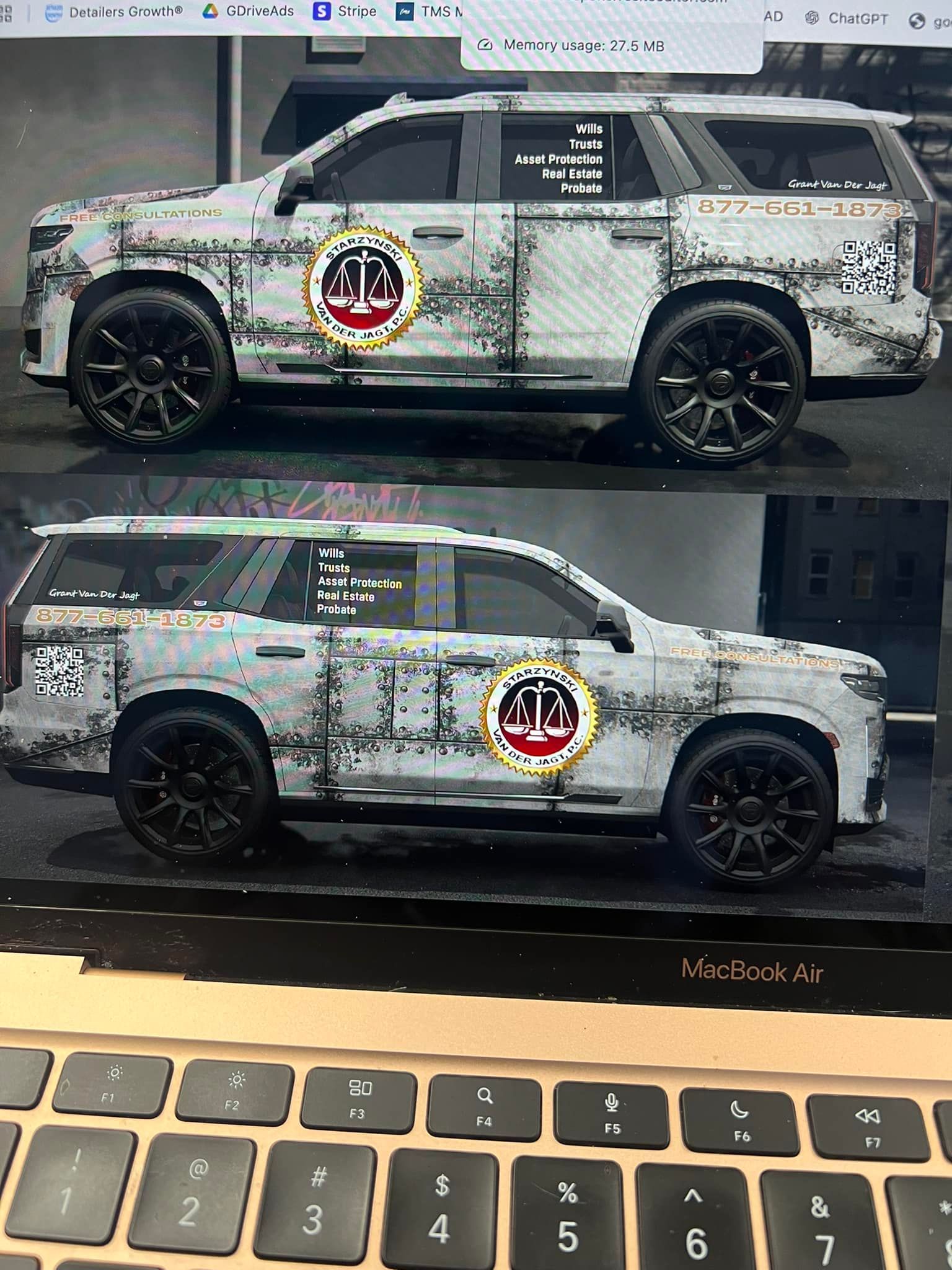
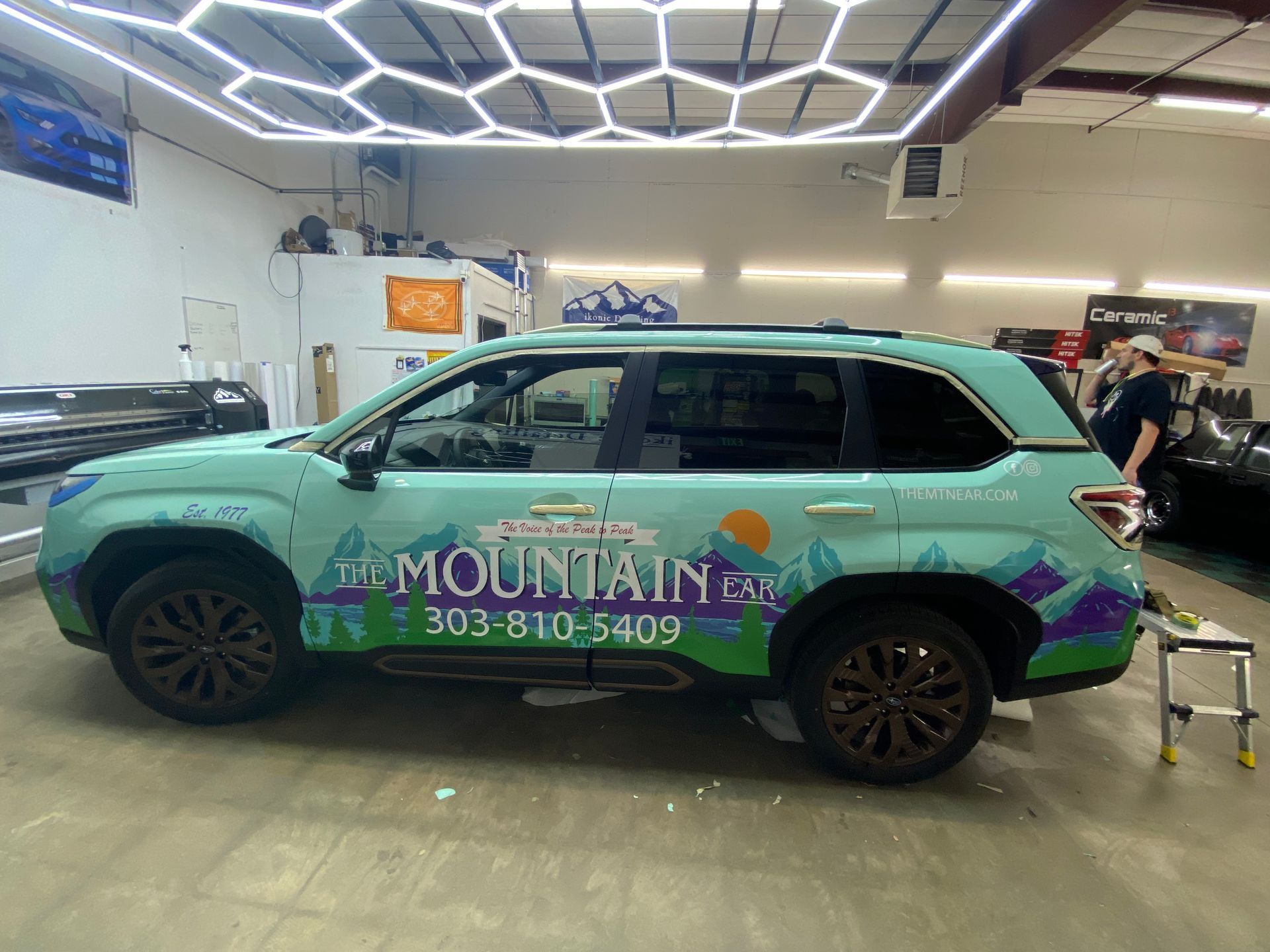
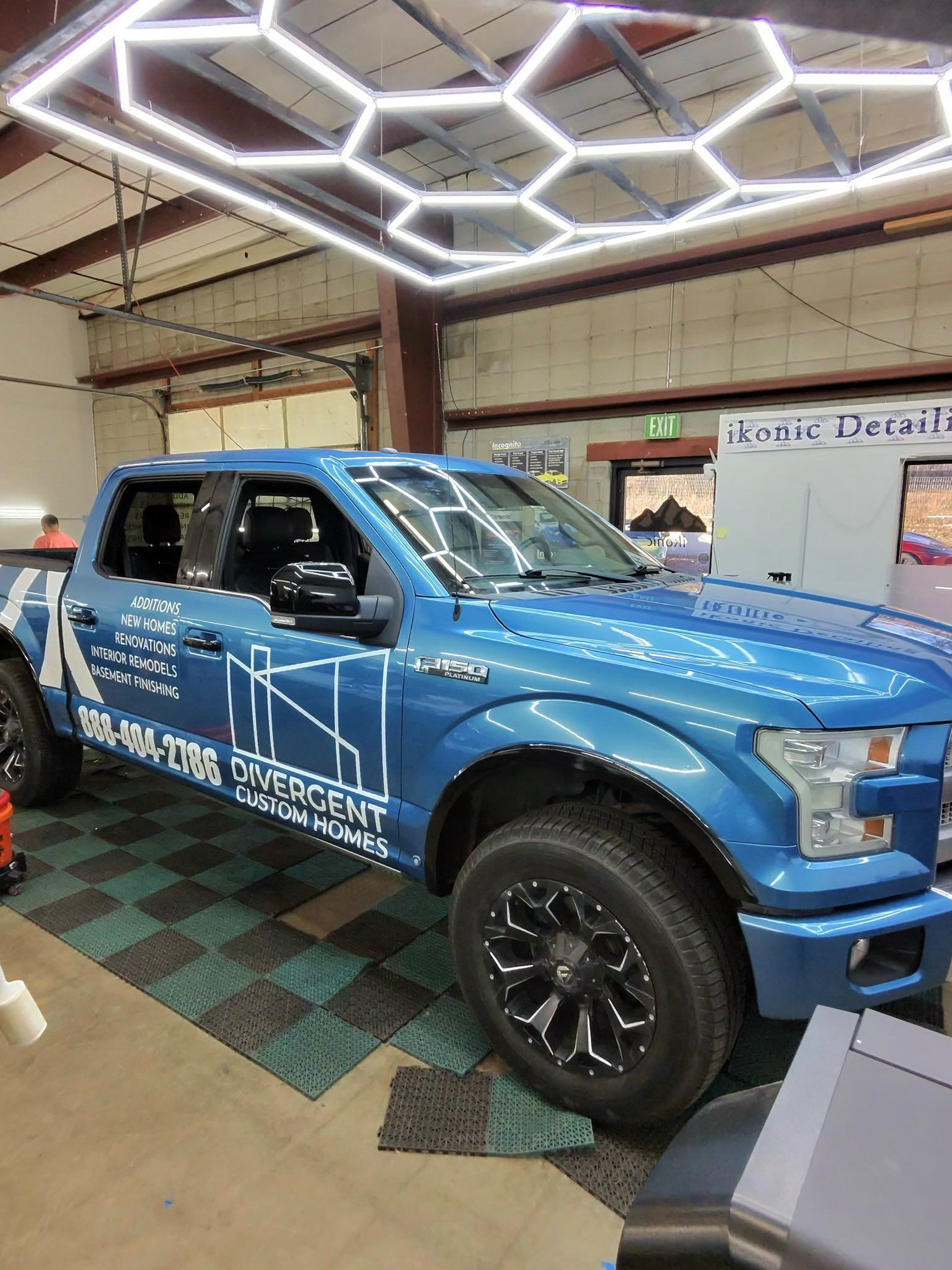
Fleet wraps are vinyl graphics or decals that are applied to vehicles to promote a brand or service. These wraps can cover part or all of the vehicle and can include logos, images, and contact information, as well as other details that represent your business. Fleet wraps serve as mobile advertisements, reaching thousands of potential customers daily as your vehicles drive through neighborhoods, business districts, and highways.


### Benefits of Fleet Wraps


1. **Increased Visibility**: Fleet wraps turn your vehicles into mobile billboards, capturing the attention of people wherever you go.


2. **Cost-Effective Marketing**: Once installed, fleet wraps require minimal maintenance and can last for several years, providing a return on investment that traditional advertising methods often can’t match.


3. **Professional Appearance**: A well-designed wrap enhances your business image, projecting professionalism and credibility.


4. **Customizable Designs**: Fleet wraps offer endless design possibilities, allowing you to tailor the graphics to reflect your brand’s personality and messaging.


## Step 1: Initial Consultation


The first step in the fleet wrap process is the initial consultation. This is where you will discuss your vision for the wrap with a professional designer or wrap specialist.


### What to Expect


- **Understanding Your Goals**: The designer will ask questions about your business, target audience, and marketing objectives. This information is crucial for creating a wrap that effectively communicates your message.


- **Budget Discussion**: You will discuss your budget for the project. Understanding your financial constraints will help the designer recommend suitable materials and design options.


- **Vehicle Selection**: Determine which vehicles in your fleet will receive wraps. Different vehicles may require different design considerations.


### Preparing for the Consultation


Before your consultation, prepare by gathering any branding materials you currently have, such as logos, color palettes, and any images you would like to incorporate. This will help the designer understand your brand better.


## Step 2: Design Phase


Once you’ve had your initial consultation, the next step is the design phase. This is where your vision starts to take shape.


### Collaborative Design Process


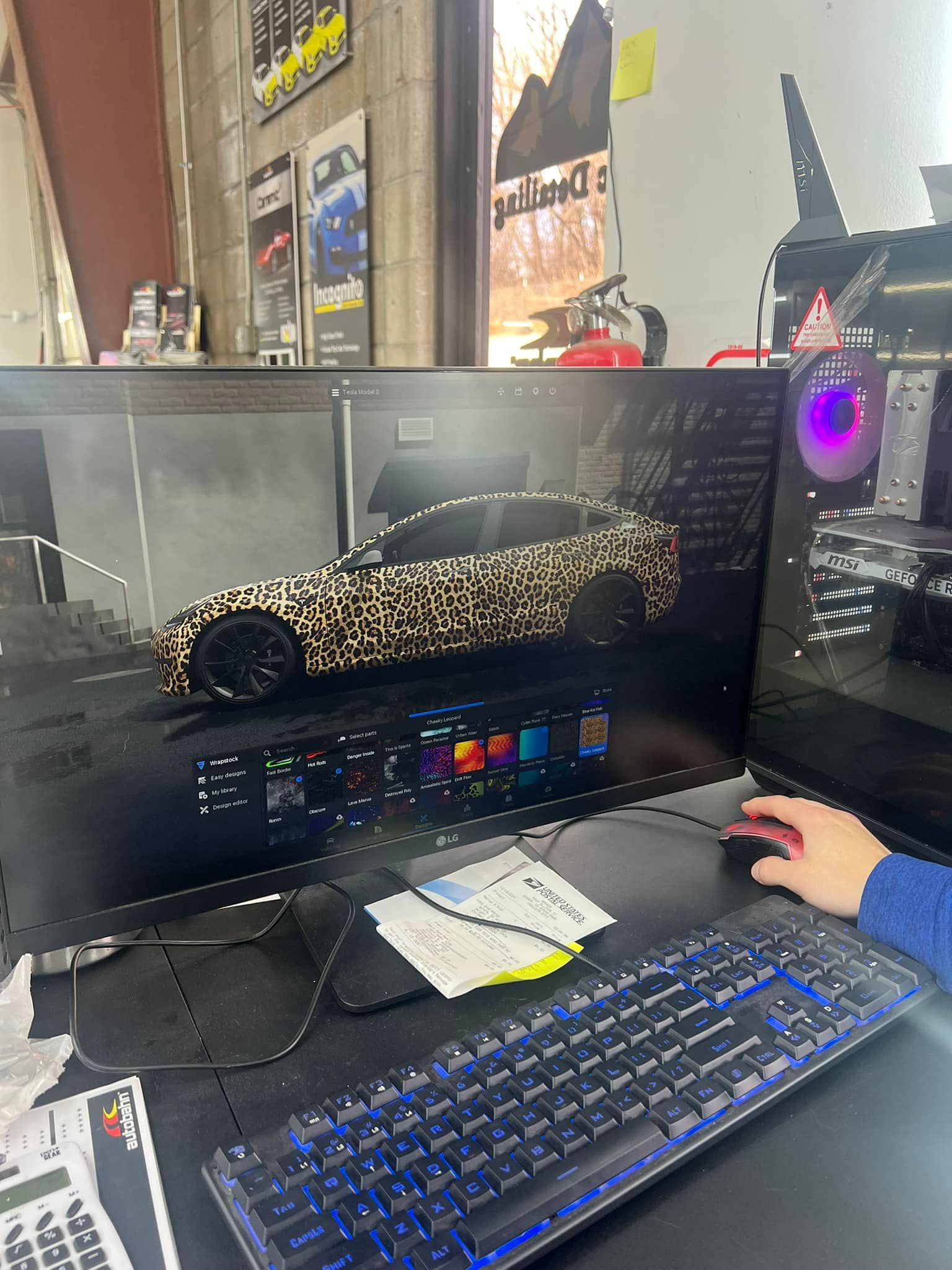
- **Concept Development**: The designer will create initial design concepts based on your input from the consultation. This may include layouts, color schemes, and graphics that align with your branding.


- **Feedback Loop**: You’ll have the opportunity to review the design concepts and provide feedback. It’s essential to communicate openly during this phase to ensure the final design meets your expectations.


- **Revisions**: Based on your feedback, the designer will make necessary revisions. This process may take several iterations until you’re completely satisfied with the design.


### Design Tips


- **Keep It Simple**: A cluttered design can be overwhelming. Focus on clear messaging and bold visuals that are easy to read from a distance.


- **Highlight Your Brand**: Ensure your logo and brand colors are prominent in the design. Consistency in branding helps with recognition.


- **Consider Legibility**: Use fonts that are easy to read and avoid overly decorative styles that may be difficult to decipher at a glance.


## Step 3: Final Approval


After the design has been refined and you’re happy with the final concept, it’s time for the final approval.


### What to Review


- **Proofreading**: Carefully check all text for spelling and grammatical errors. It’s easy to overlook mistakes, but they can impact your brand’s professionalism.


- **Color Accuracy**: Ensure the colors in the design match your brand’s colors. Print colors can sometimes differ from what you see on a screen.


- **Final Layout**: Review the overall layout to ensure everything is positioned correctly and looks good from all angles.


### Signing Off on the Design


Once you’ve completed your review and are satisfied with the design, you’ll sign off on it. This approval is crucial, as it indicates that you’re ready to move forward with production.


## Step 4: Production


With the design approved, it’s time for the production phase. This is where the magic happens, and your fleet wrap is created.


### Printing the Wrap


- **High-Quality Materials**: The wrap will be printed on high-quality vinyl that is designed for outdoor use. This material is durable and resistant to fading, ensuring your graphics will look great for years.


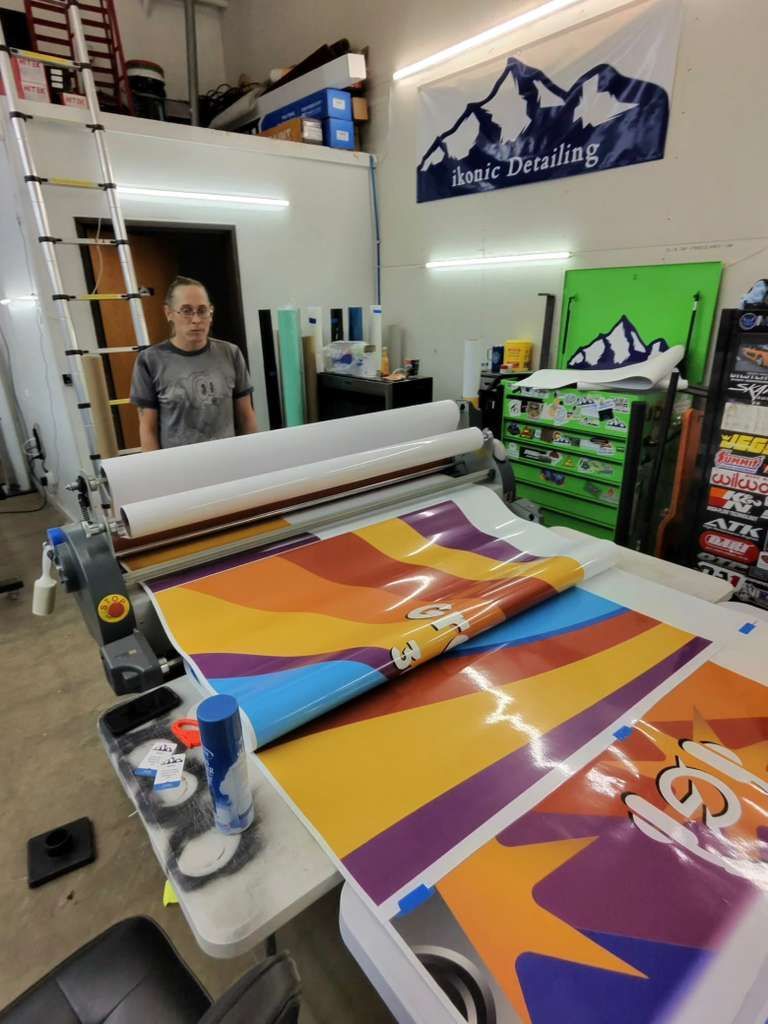
- **Printing Process**: The design is printed using state-of-the-art printers. This process ensures vibrant colors and sharp details.


- **Quality Control**: After printing, the wrap undergoes quality control checks to ensure there are no defects or issues with the graphics.


### Preparing for Application


- **Lamination**: Once printed, the vinyl may be laminated to add an extra layer of protection. Lamination helps prevent scratches and UV damage, extending the life of your wrap.


- **Trimming**: The printed vinyl is trimmed to fit the specific dimensions of your vehicles.


## Step 5: Installation


The installation phase is where the wrap is applied to the vehicle. This step requires skill and precision to ensure a flawless finish.


### Choosing the Right Installer


- **Professional Installation**: It’s crucial to have your fleet wraps installed by experienced professionals. Proper installation ensures that the wrap adheres correctly and looks as intended.


- **Clean Environment**: The installation should take place in a clean, dust-free environment to prevent debris from getting trapped under the wrap.


### Installation Process


- **Surface Preparation**: The vehicle’s surface is thoroughly cleaned and prepped to ensure optimal adhesion.


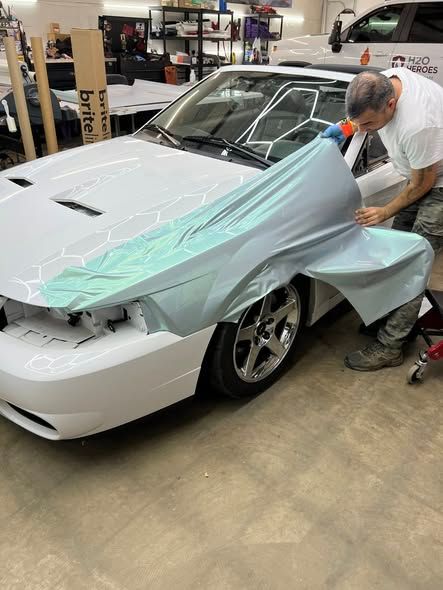
- **Applying the Wrap**: The installer carefully applies the vinyl, using tools to smooth out any bubbles or wrinkles. This process requires attention to detail to ensure a seamless look.


- **Final Inspection**: Once the wrap is applied, the installer will inspect the work to ensure everything is perfect. They’ll address any issues before handing the vehicle back to you.


## Step 6: Post-Installation Care


After your fleet wraps are installed, proper care is essential to maintain their appearance and longevity.


### Initial Care Instructions


- **Avoid Washing**: For the first week after installation, avoid washing the vehicle to allow the adhesive to set properly.


- **Avoid High Pressure**: Do not use high-pressure washers, as they can damage the vinyl.


### Routine Maintenance


- **Regular Cleaning**: Clean your fleet wraps regularly using mild soap and water. Avoid harsh chemicals and abrasive brushes that could scratch the vinyl.


- **Protective Waxing**: Consider applying a protective wax designed for vinyl wraps to enhance their shine and provide added protection against UV rays.


## Step 7: Monitoring and Maintenance


Once your fleet wraps are installed and cared for, it’s important to monitor their condition over time.


### Regular Inspections


- **Check for Damage**: Regularly inspect your wraps for signs of wear, peeling, or fading. Catching issues early can help prevent more significant problems down the line.


- **Address Repairs Promptly**: If you notice any damage, address it as soon as possible. Small repairs can often be made easily, while larger issues may require professional assistance.


## Conclusion


Investing in fleet wraps can be a game-changer for your business, significantly enhancing your brand visibility and creating a professional image. By understanding the entire fleet wrap process—from concept to completion—you can make informed decisions and ensure that your wraps serve you well for years to come.


By following the steps outlined in this guide, you can navigate the journey of designing, producing, and maintaining your fleet wraps effectively. Whether you operate a single vehicle or an entire fleet, fleet wraps are a powerful marketing tool that can help you reach new customers and grow your business in the Denver area. 


With proper planning, execution, and maintenance, your fleet wraps will not only look great but will also serve as effective ambassadors for your brand on the road. Embrace the opportunity that fleet wraps provide, and watch your business thrive!
By Harold Bautista December 14, 2025
If you run a home service business in Denver or Wheat Ridge whether it's HVAC, plumbing, landscaping, or electrical—you know that the best lead is a referral. When a homeowner hires you, they are trusting you with their most valuable asset. But did you know your vehicle can generate referrals while your technician is still inside the house? This is called the "Neighbor Effect."  A plain white van parked in a driveway is invisible. But a professionally wrapped commercial vehicle is a hyper-local billboard that targets the exact demographic you want: the neighbors. Here is why fleet branding is the ultimate tool for dominating a specific neighborhood.
By Harold Bautista December 13, 2025
For many trade businesses in Denver and Wheat Ridge , winter represents a shift in pace. The landscaping slows down, construction projects face weather delays, and the frantic energy of summer subsides. While it is tempting to let your fleet "hibernate" during these colder months, strategic business owners see a different opportunity. Winter is, factually, the most efficient time to invest in a commercial fleet wrap . Waiting until spring when your phone is ringing off the hook—is a logistical mistake. Here is why tackling your fleet branding now, in the middle of winter, is the competitive advantage your business needs. 
By Harold Bautista December 12, 2025
As we head into 2026, business owners in Denver and Wheat Ridge are reviewing their marketing budgets. The common question is: "Should I put more money into Google and Social Media ads, or should I invest in physical assets?" Digital advertising is powerful, but it has a major flaw: "Ad Blindness." Consumers are bombarded with thousands of digital ads daily, and they have become experts at ignoring them. A commercial fleet wrap offers a solution to this digital fatigue. It is the only marketing channel that cannot be blocked, skipped, or scrolled past. In this guide, we break down the factual comparison between investing in digital clicks versus investing in fleet branding . 
By Harold Bautista December 3, 2025
In the service industry, you aren't just selling a product or a skill; you are selling trust. Whether you are a plumber entering a home, a contractor stepping onto a job site, or a delivery service dropping off a package, the customer’s first instinct is to assess: "Is this person safe? Are they professional?"  Psychologists suggest we make these judgments in less than seven seconds. For a business owner in Denver or Wheat Ridge , your vehicle is often that first seven seconds. An unmarked white van creates a question mark. A professionally wrapped vehicle creates an exclamation point. In this guide, we explore the hidden psychology behind commercial fleet wraps and how fleet branding directly influences your closing rate and customer satisfaction.
By Harold Bautista December 2, 2025
If a potential customer in Denver or Wheat Ridge passed one of your work trucks on the highway right now, would they know you exist?  For many service businesses, the answer is "no." A plain white work van is functionally invisible. It blends into traffic, missing countless opportunities to make an impression. Even worse, an unmarked vehicle pulling up to a client's home creates a subconscious moment of doubt: "Is this a legitimate business?" A professional commercial fleet wrap is the opposite of an invisibility cloak. It is a uniform for your business. It instantly communicates legitimacy, establishes trust before you even knock on the door, and ensures that every mile your team drives is a marketing opportunity. In this guide, we will break down the factual, financial, and operational reasons why transforming your fleet is the smartest investment you can make this year.
By Harold Bautista November 29, 2025
For a business in Denver or Wheat Ridge , a commercial wrap is a significant marketing investment. When executed correctly, it offers the lowest Cost-Per-Impression (CPI) of any advertising medium. However, a wrap is only as effective as its execution. We see many businesses waste their budget on wraps that are unreadable, peel prematurely, or fail to generate leads. As a pro wrap shop , our goal is to ensure your fleet wrap delivers a return on investment (ROI). Here are the five most common mistakes businesses make with commercial wraps and the factual solutions to avoid them. 1. The "Brochure" Mistake: Too Much Information The Mistake: Treating a vehicle like a print brochure. Business owners often try to list every service, three phone numbers, a fax line, and a paragraph of text. The Reality: A vehicle moving at 45 MPH allows for a 3-second reading time. If a potential customer can’t read it in 3 seconds, they won’t read it at all. Clutter is the enemy of vehicle advertising . The Fix: Follow the "Hierarchy of Legibility." Your design should feature only three elements: Brand (Logo). Service (One clear tagline, e.g., "HVAC & Plumbing"). Action (One website URL or phone number). 2. The Material Mistake: "Going Cheap" on Vinyl The Mistake: Choosing a "wrap shop near me" based solely on the lowest price. Low quotes often rely on calendered vinyl, a cheaper material prone to shrinking and cracking. The Reality: Saving $500 upfront can cost you thousands later. Cheap vinyl fails quickly in the Colorado sun, leading to cracked graphics and adhesive that ruins your paint upon removal.  The Fix: Always demand premium cast vinyl from industry leaders like 3M or Avery Dennison . This material is engineered for deep recesses and long-term durability (5-7 years), protecting both your brand image and your asset's resale value.
By Harold Bautista November 27, 2025
For any business owner in Denver or Wheat Ridge, traffic is a daily reality. The I-25 corridor and I-70 mountain traffic are notorious for delays. However, from a marketing perspective, this congestion represents a massive, undervalued opportunity. While a driver sits in traffic, their attention wanders. They are a "captive audience." A plain white van blends into the noise, but a vehicle with a professional commercial fleet wrap becomes a focal point. As a pro wrap shop serving the metro area, we help businesses transform this daily frustration into a lead-generation strategy. Here is the factual breakdown of why vehicle advertising is uniquely effective in the Colorado market. 1. The "Captive Audience" Effect Unlike digital ads, which can be skipped, or radio ads, which can be muted, a commercial wrap cannot be turned off. When your branded vehicle is stuck in traffic on Wadsworth or I-70, the drivers around you have no choice but to look at it. This creates a high-value "dwell time." In free-flowing traffic, a viewer might see your logo for 3 seconds. In gridlock, they might study your fleet branding for minutes. This extended exposure increases brand recall. A potential customer has time to read your services, memorize your website, and recognize your professionalism. 2. Hyper-Local Targeting (Without the Ad Spend) Digital advertising requires complex settings to target specific zip codes. A commercial fleet wrap does this naturally and automatically. Your vehicles drive exactly where you do business. If you are a landscaper in Wheat Ridge, your truck is seen by neighbors in Wheat Ridge. If you are a plumber servicing Arvada, your van is parked in Arvada driveways. This is "hyper-local" targeting. You are not wasting impressions on people outside your service area. You are advertising exclusively to the people most likely to hire you—your local community.
By Harold Bautista November 27, 2025
For growing service businesses in Denver and Wheat Ridge, buying brand-new vehicles isn't always the smartest financial move. Acquiring high-quality used cargo vans or trucks is a common strategy to scale operations quickly. However, buying used presents a branding challenge. You might end up with a white Ford, a silver Chevy, and a blue Ram. Or worse, you might buy a vehicle that still has the "ghost" outlines of the previous owner's logos burned into the paint. This is where a commercial fleet wrap becomes a vital operational tool. It is the fastest, most cost-effective way to integrate a used asset into your professional fleet. Here is the factual guide to rebranding used vehicles. 1. Solving the "Paint Ghosting" Problem When a vehicle has had vinyl decals on it for years, the paint underneath stays pristine while the exposed paint around it fades from UV exposure. When the old decals are removed, a permanent "ghost image" of the old logo remains visible. The Factual Solution: You cannot buff out ghosting; the paint is physically uneven. A full commercial wrap is the only way to completely hide these imperfections without an expensive respray. The premium cast vinyl creates a fresh, flawless surface, effectively erasing the vehicle's history and making it look brand new. 2. Unifying a "Mismatched" Fleet Buying used often means buying whatever is available on the lot. This results in a "rainbow fleet" of different factory colors.  The Factual Solution: A fleet wrap acts as a universal uniform. It allows you to buy the best mechanical vehicle regardless of its color. Whether the van is red, white, or black, a full wrap turns it into your brand's specific color palette. This allows you to shop for deals on vehicles without worrying about whether they match your company image.
By Harold Bautista November 26, 2025
For many businesses in Denver and Wheat Ridge, leasing fleet vehicles is a smart financial strategy. It keeps the fleet modern and manages cash flow. However, it creates a branding dilemma: "Can I put graphics on a vehicle I don't own?" Many business owners hesitate, fearing lease penalties or damage fees. The factual reality is the opposite. A professional commercial fleet wrap is not only safe for leased vehicles; it is often the best way to protect yourself from lease-return penalties. Here is the business guide to wrapping leased assets. 1. The "Clean Removal" Guarantee Unlike paint or low-quality decals, a professional commercial wrap is designed to be temporary. When you use premium cast vinyl (from 3M or Avery Dennison) installed by a pro wrap shop, the adhesive is engineered for "clean removability." This means that at the end of your 3-year lease, the wrap can be professionally removed without leaving residue or pulling up the clear coat. The vehicle is returned to the dealership looking exactly as it did on day one. 2. Avoiding "Wear and Tear" Fees (The Hidden Benefit) Lease turn-in inspections are notorious for charging fees for scratches, rock chips, and UV fading. This is considered "excessive wear and tear." A vinyl wrap acts as a sacrificial barrier. For the entire duration of the lease, the wrap takes the abuse. It absorbs the UV rays, the magnesium chloride from Colorado roads, and the minor scratches from job sites. When the lease is up and the wrap is removed, the factory paint underneath is revealed to be in pristine, showroom condition. By wrapping the vehicle, you effectively "freeze" the paint condition in time, helping you avoid costly reconditioning fees at turn-in.
By Harold Bautista November 24, 2025
While national graphics chains and online brokers exist, partnering with a dedicated, local pro wrap shop in Wheat Ridge or Denver offers specific, factual advantages for your fleet. Here is why choosing a true local partner is critical for the long-term success of your branding. 1. Local Climate Expertise: The Colorado Factor A commercial wrap installed in Arizona requires different considerations than one installed in Colorado . A local expert understands the specific environmental challenges your fleet faces in this region. The Altitude & UV Index: Denver has a higher UV index than sea-level cities. A local shop knows that a high-performance UV laminate is non-negotiable to prevent your brand colors from fading. The Winter Chemicals: We understand the corrosive nature of magnesium chloride and road salt used on our highways. A local provider selects materials (like premium 3M or Avery Dennison cast vinyl) that are engineered to withstand chemical exposure and seal the edges tight against these contaminants. 2. Physical Quality Control: The "Shop Visit" Test When you search for a "wrap shop near me," you have the distinct advantage of being able to inspect the facility before you commit. This is the most reliable way to vet a provider. Climate Control is Critical: Vinyl installation requires a specific temperature range (typically 65-75°F) to bond correctly. If a shop is too cold (common in Colorado winters) or dirty, the wrap will fail. The "Broker" Trap: Many online "wrap companies" are simply brokers who farm the work out to the lowest bidder. By choosing a local shop with a physical address in Wheat Ridge , you know exactly who is touching your vehicle, where it is stored, and that the environment is clean and secure.